Inside ImageFree
Commercial Use and Image License FAQ
Understand ImageFree's position on output ownership, model licenses, source-image permission, client work, and the checks to make before commercial publication.
Published by ImageFree AI
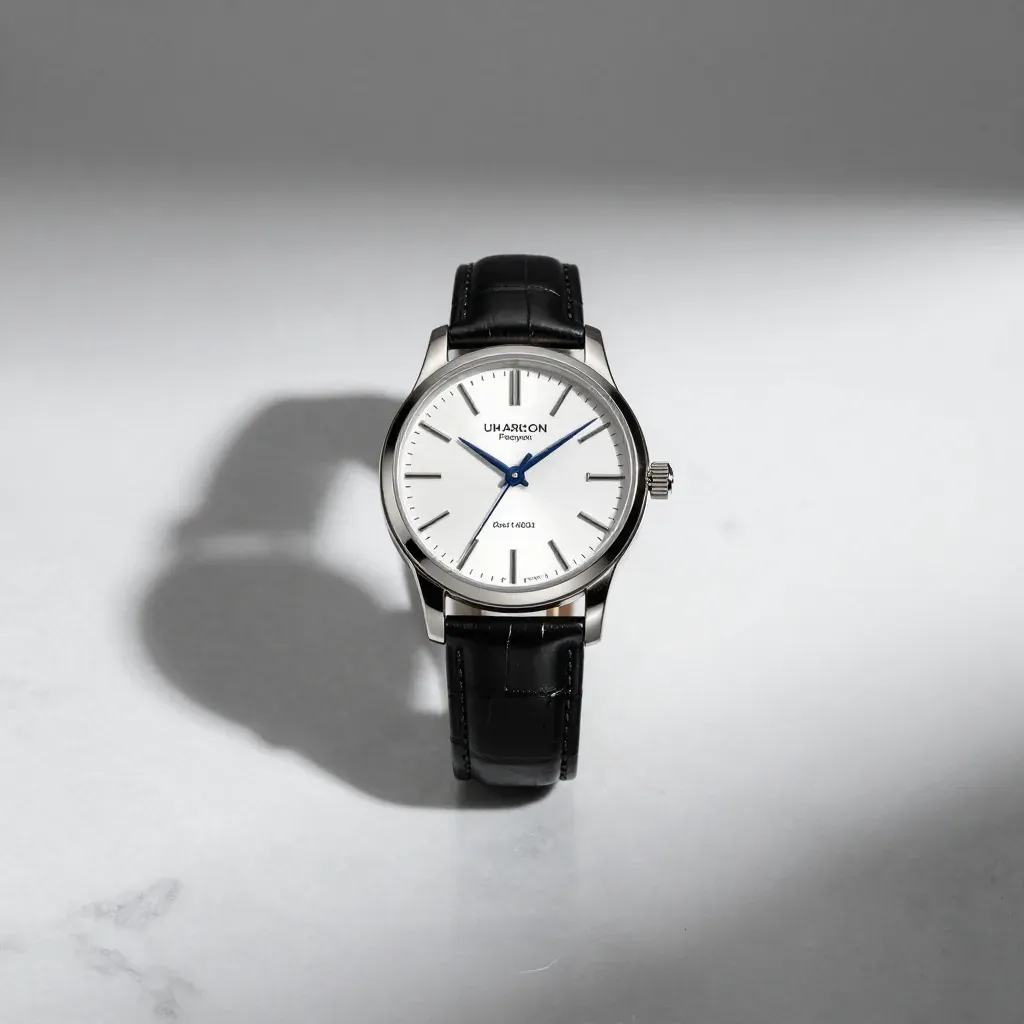
You can use ImageFree for personal projects and commercial workflows, subject to applicable law, relevant model and service terms, and other people's rights. ImageFree does not claim ownership of your prompts, uploads, or outputs. That position is not a guarantee that an output is exclusive, copyrightable, accurate, or cleared for every proposed use. Downloading a file and having permission to publish everything depicted in it are separate questions.
This page brings those distinctions together for bloggers, designers, marketers, and small teams. Read it alongside our Terms of Service and Privacy Policy. It explains our service and a practical publication review; it is not individualized legal advice. For a disputed image or a high-value rights agreement, obtain advice appropriate to your jurisdiction and contract.
What does free commercial use mean here?
The free tools do not charge a separate download or commercial-use fee. Fair-use limits and queues still apply. A paid subscription provides the features and credits described on the pricing page; payment does not buy exclusive rights in an output or remove restrictions on the source material. Neither a successful generation nor a receipt is a certificate of copyright clearance.
A sensible use is developing a fictional background for a draft campaign, then checking the final composition before publication. A different situation is presenting a generated watch as a photograph of a watch you actually sell. The latter requires an accurate representation of the real item, not merely an attractive generated object. Choose your review standard according to the claim your audience will infer.
What permission do I need for uploaded images?
Only upload material you are entitled to use and authorize for processing. Keep the original file and a record of the permission that covers your intended activity. An image found through search, posted by a customer, or included in a supplier's catalog is not automatically available for AI editing or a new advertising campaign. Check the agreement or obtain permission from the appropriate rights holder.
For commissioned work, clarify who supplied each asset, which uses they authorized, and whether processing by an external service is allowed. Avoid uploading confidential client materials until you have resolved those questions. Our tools involve server or service-provider processing; they are not an assurance that an image stays entirely on your device. Retention and provider information belong in the privacy review as well as the rights review.
Does the model license clear every generated image?
No. The official Z-Image-Turbo model card identifies Apache-2.0 as its license. The Apache license text describes permissions and conditions for the licensed work; it does not give you general permission to use someone else's trademarks or promise that every generated picture is free of claims. Consult the actual license when distributing or modifying licensed model materials.
ImageFree's tools can use different models and configured service providers. Do not assume that the license shown for the text-to-image model covers every editor, upscaler, provider, or historical result. If the precise model or provider terms matter to your project and are not identified for your task, contact support with the task reference. Resolve that uncertainty before signing a rights warranty for a client.
Will I own copyright or receive an exclusive result?
We cannot guarantee either outcome. Another user may produce a similar composition. Our decision not to claim ownership does not create rights that the law would not otherwise recognize. Avoid promising a client exclusive ownership of a generated subject solely because you wrote the prompt or paid for processing.
The U.S. Copyright Office's report on AI and copyrightability distinguishes human authorship from machine-generated material. That is a U.S. source, not a universal answer for every country. Preserve records of your own selection, arrangement, drawing, editing, and other creative contributions, and get jurisdiction-specific advice when registration or exclusivity matters.
How should I handle people, brands, and recognizable designs?
A generated image can suggest that a real person endorsed a product or participated in an event. Do not use a person's likeness to fabricate an endorsement, impersonate them, or depict prohibited intimate or harmful conduct. Permission to edit a photograph does not override our prohibited-use rules. For a genuine commissioned portrait, establish the approved context and review identity changes before delivery.
Inspect logos, packaging, uniforms, signs, characters, and distinctive product shapes. A fictional-looking wordmark may still resemble an existing mark. Asking for no logo can reduce unwanted elements but does not replace checking the result. When a recognizable brand is essential, use approved assets and follow the rights holder's conditions rather than relying on generated approximations.
Why is the watch example not ready for a sales listing?
The illustration above has useful central placement and clear separation from its background. However, the dial contains irregular lettering, and the shadow is stronger than the accompanying gallery prompt's request for a soft shadow. Those observations are visible in this file; they are not a measured failure rate for the model.
Use this example to discuss composition or a fictional concept. Do not treat it as evidence of an actual watch's maker, materials, dimensions, or condition. Our product-image walkthrough explains a review process and proposed prompt revisions. For a real listing, start with an accurate, authorized product photograph and verify any subsequent edits against the item.
What should be in a client handover?
Keep the approved brief, source permissions, relevant task reference, chosen output, final edited file, and publication context together. State which image elements were generated and which came from supplied photography or manual design. Record unresolved limitations rather than silently passing them to the next person in the workflow.
For example, a handover can say that an image is a fictional campaign concept, that generated lettering was replaced with approved typography, and that product accuracy was not verified. If it is intended for a real product listing, the handover should instead identify the reference photograph and the checks made against it. Use language that describes the actual work performed.
Before publishing: a practical review
Check the intended audience and placement first. Then inspect the full-resolution image for misleading details, recognizable people or protected elements, and accidental text. Confirm that the source permissions and applicable terms cover the actual use. Review the final crop and accessibility description; neither should imply that fictional imagery documents a real event.
Keep an alternative available: an authorized photograph, a simpler illustration, or a manually corrected design. Report a rights concern through Contact or [email protected] with a page link or task reference and a concise explanation. Do not send passwords or sensitive source files in the initial report. We can investigate the service context, but cannot promise a rights clearance that belongs to another party.