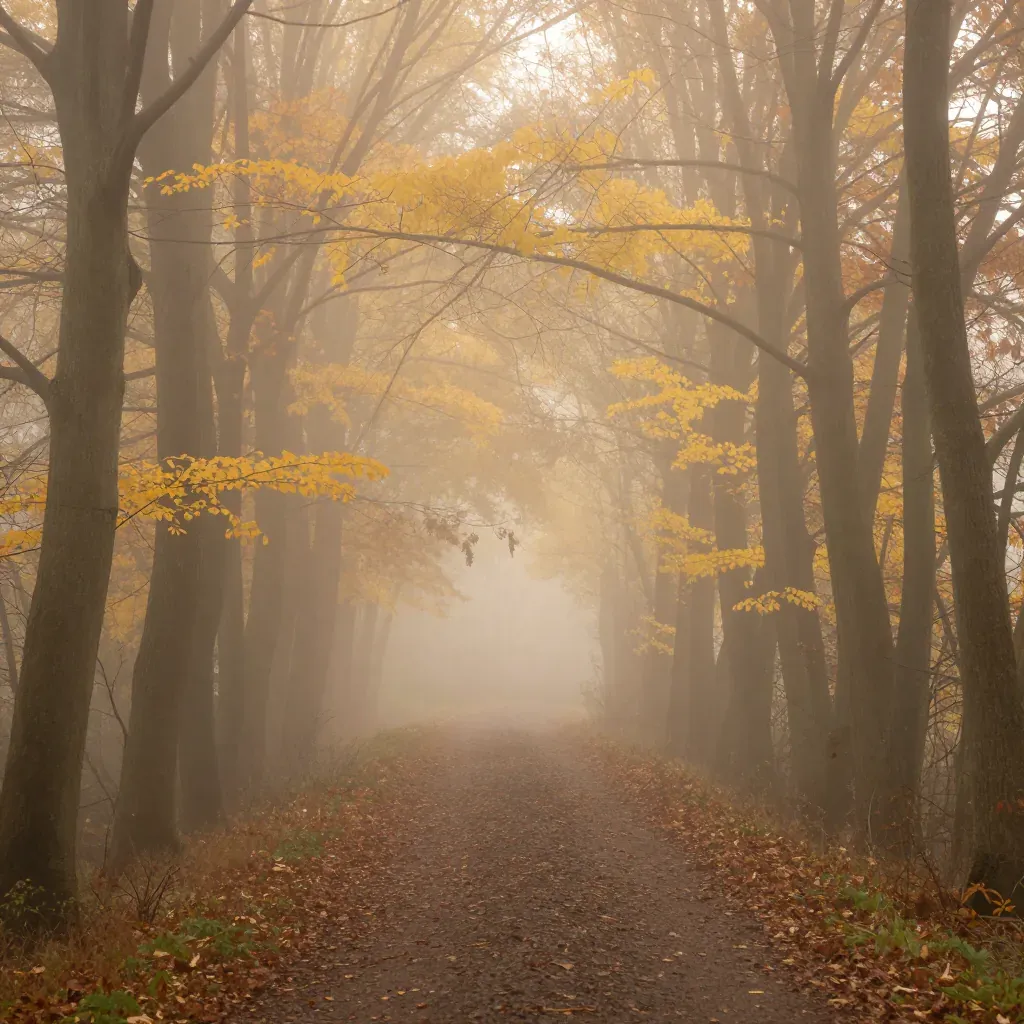
5 min read
Turning a Square AI Forest Image Into a Useful Blog Header
Review a gallery image, plan a landscape crop, protect text readability, and define honest acceptance criteria for an AI-generated editorial header.
ImageFree Journal
Practical prompts, visual examples and honest workflow notes. Make an image, understand the result, and decide what to try next.
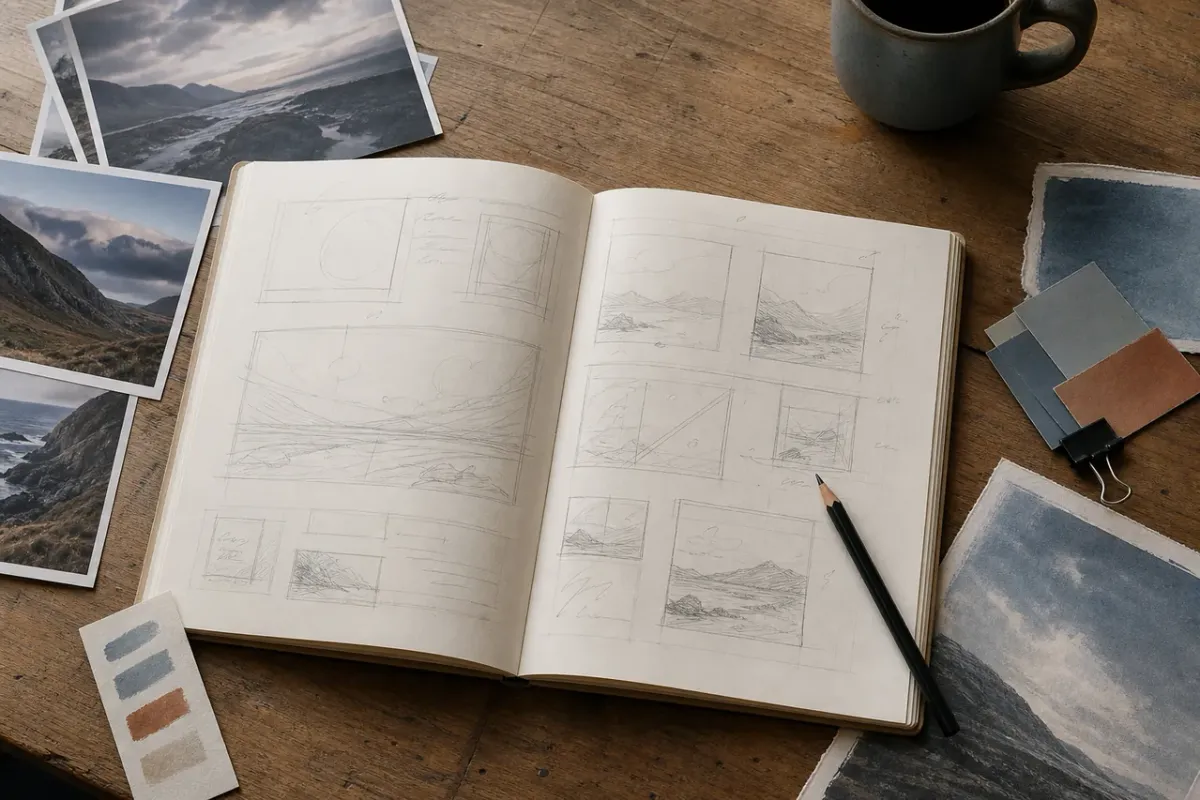
Start here · 4 min read
Write better AI image prompts with a subject-style-context formula, common pitfalls and 12 practical examples to copy and adapt.
Read the guideReview a gallery image, plan a landscape crop, protect text readability, and define honest acceptance criteria for an AI-generated editorial header.
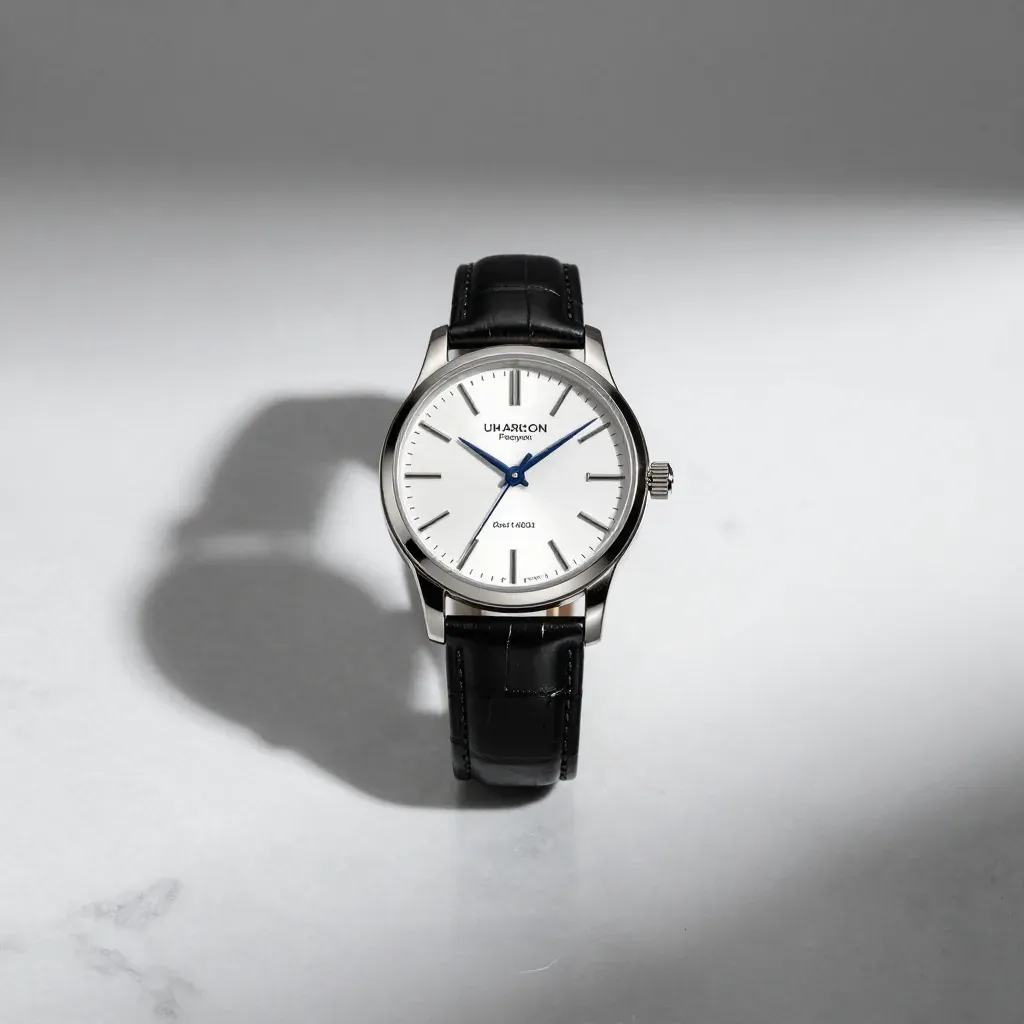
Inspect a real gallery asset, separate useful composition from invented product details, and plan two prompt revisions without inventing benchmark results.

Understand free-tool upload sizes, output dimensions, concurrent tasks, retention, and the next useful step when an ImageFree request fails.
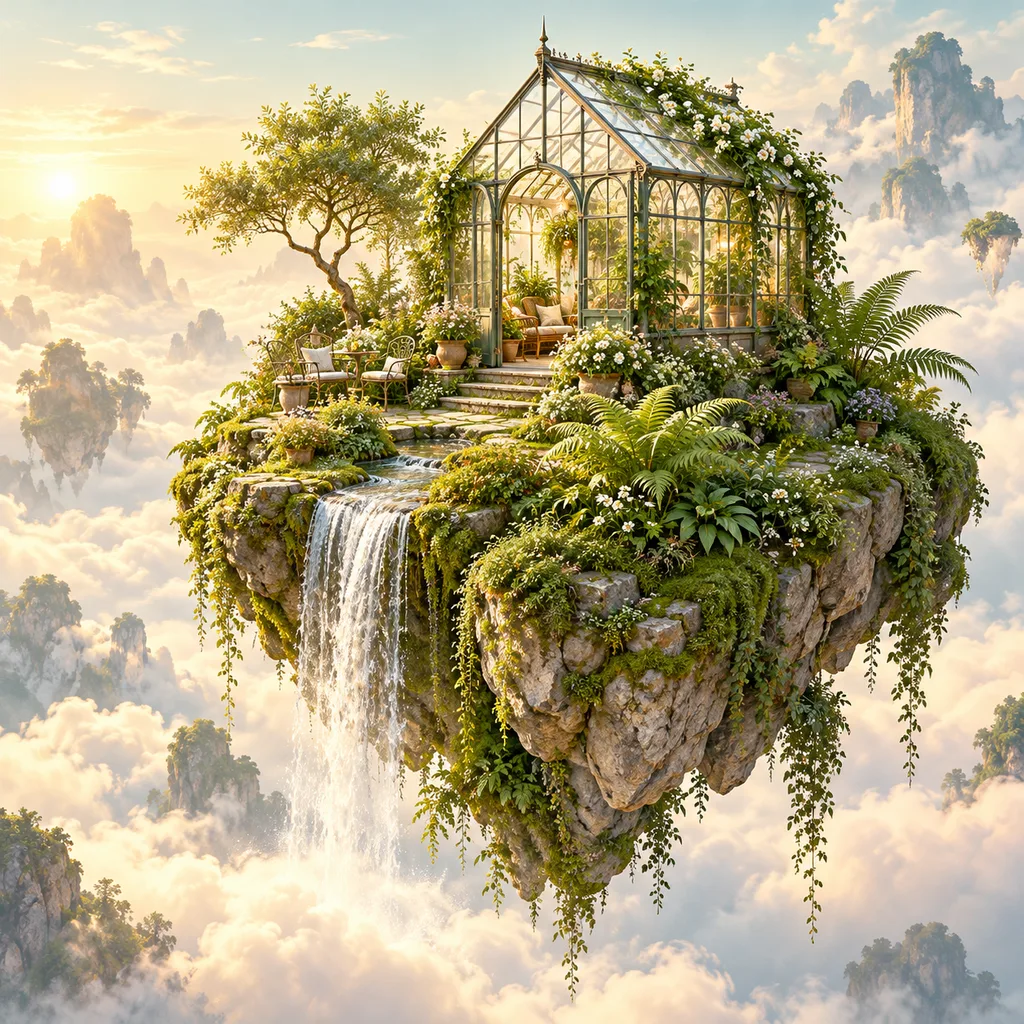
Work out image size from layout width, pixel density, and cropping, with transparent calculations for blog cards, headers, social graphics, and print.
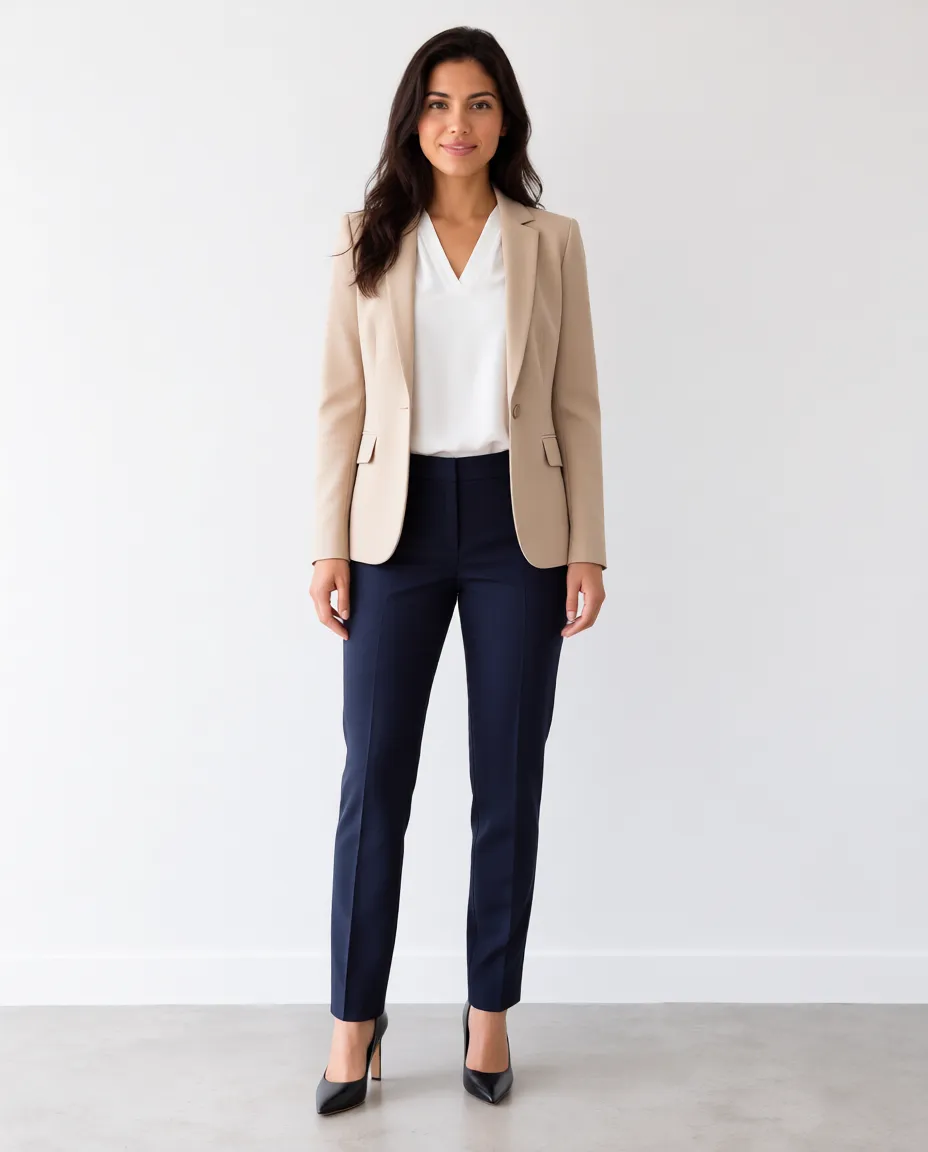
Learn how to preview business, casual, dress, and sporty outfit styles in your own photo with clear prompts for an AI photo editor.
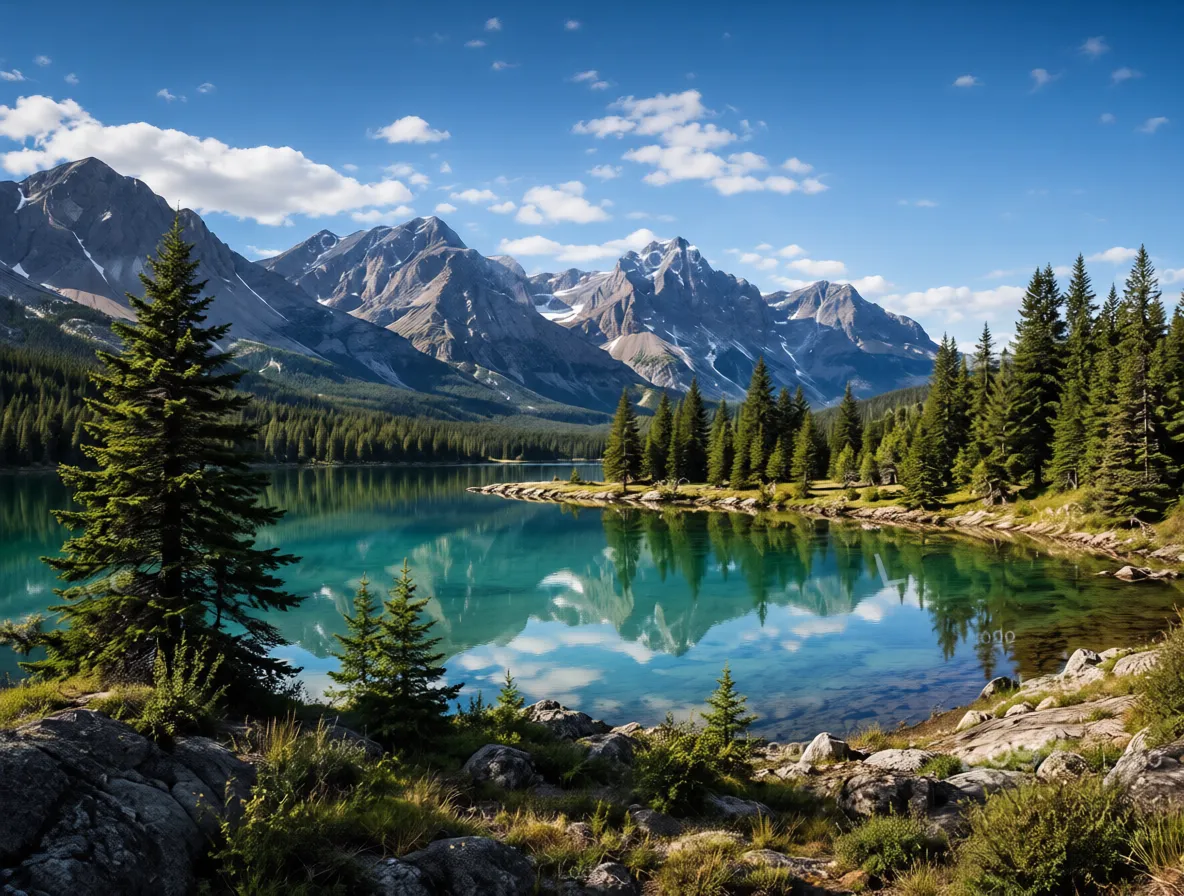
Learn how to remove a watermark or old logo from an image you own with one clear AI editing prompt, then review the reconstructed background.
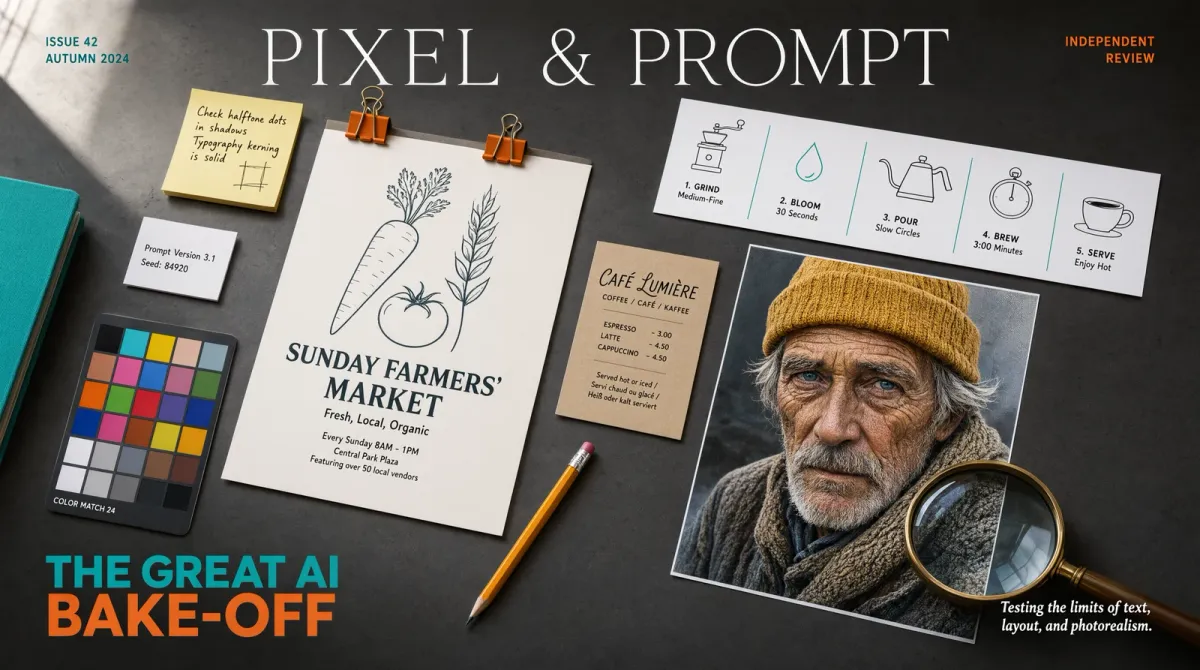
We tested Qwen-Image 3.0 with an English poster, a dense infographic, a multilingual menu, a realistic portrait, and a strict object-layout prompt.
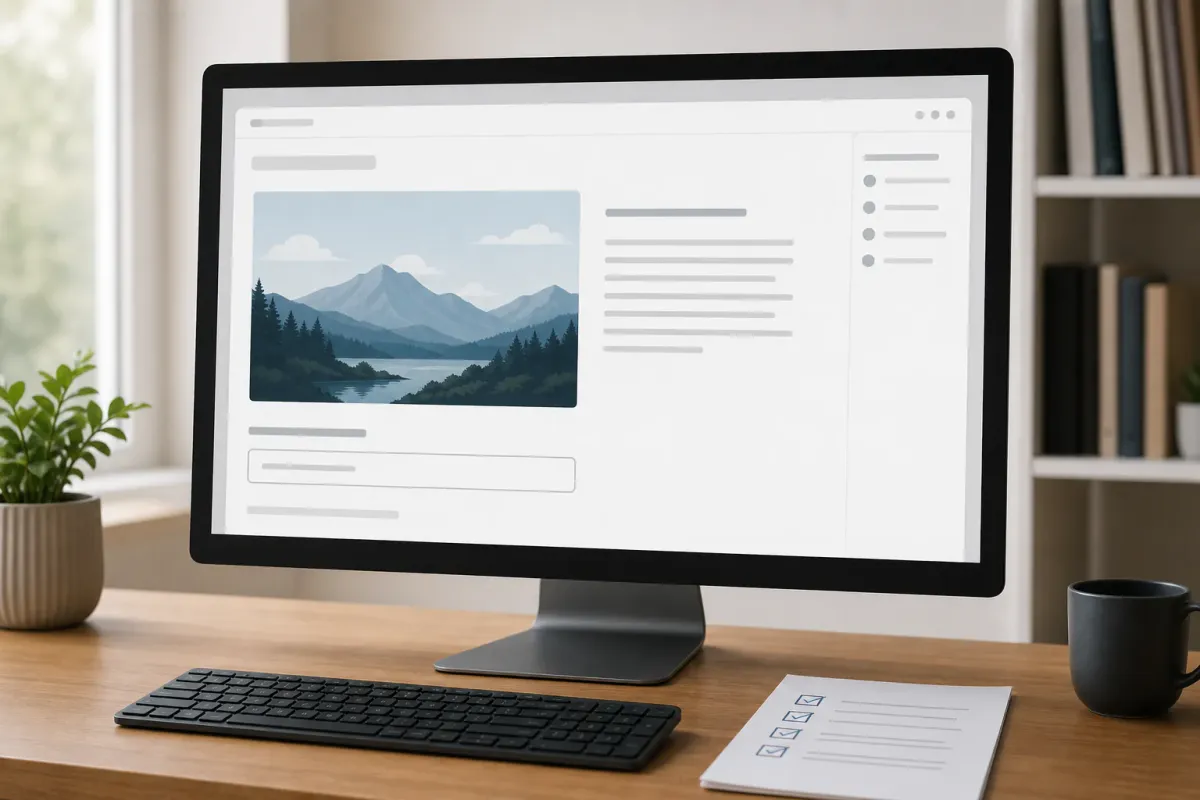
Write concise, contextual alt text for AI illustrations, realistic synthetic scenes, product concepts, charts, and decorative images without keyword stuffing.
A practical pre-publication review for AI-generated images covering anatomy, text, reflections, product accuracy, disclosure, alt text, file size, and rights.
Choose WebP, PNG or JPEG for AI images, transparent cut-outs, blog covers and downloads. Compare quality, file size and practical export settings.
Build a repeatable visual system for blog covers, campaigns, and content series by controlling palette, light, framing, texture, and prompt structure.
Plan a useful set of product images for a small online shop, from accurate catalog photos to lifestyle concepts, detail crops, and social variants.
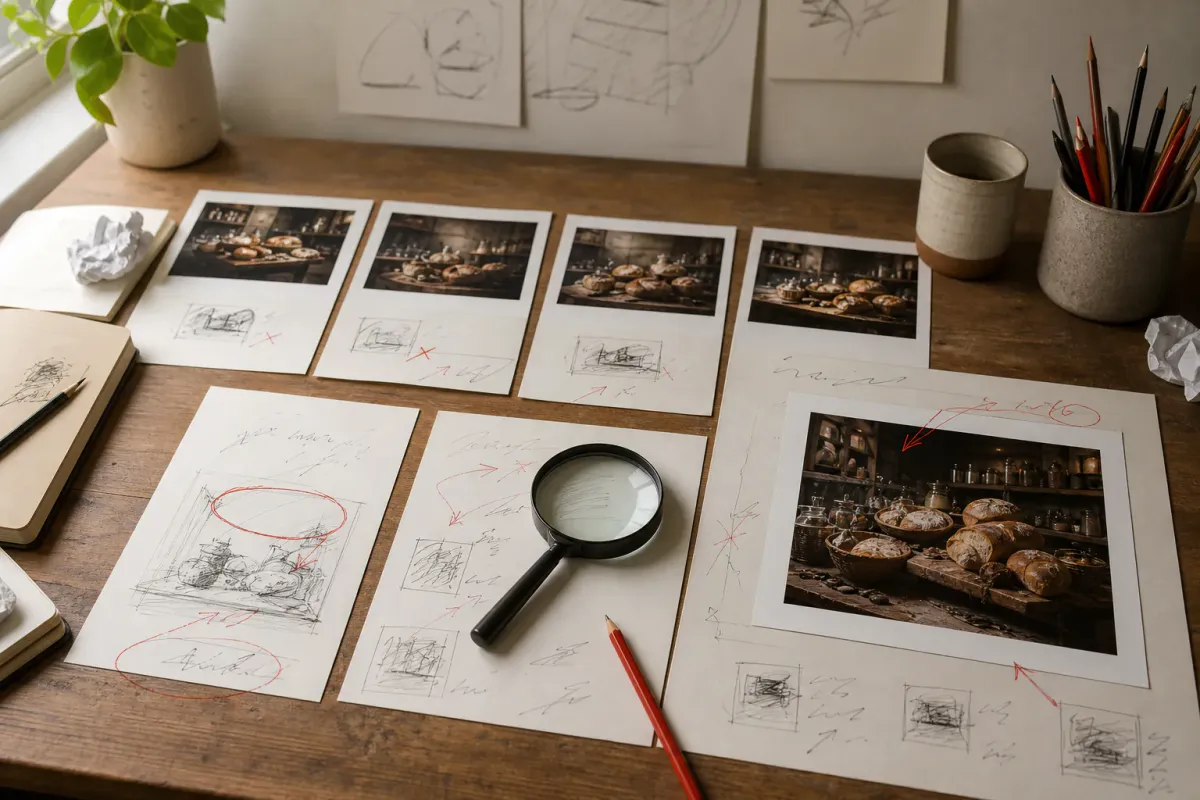
Fix weak AI image results by diagnosing composition, conflicting instructions, vague style words, unwanted text, and changes that refuse to stay local.
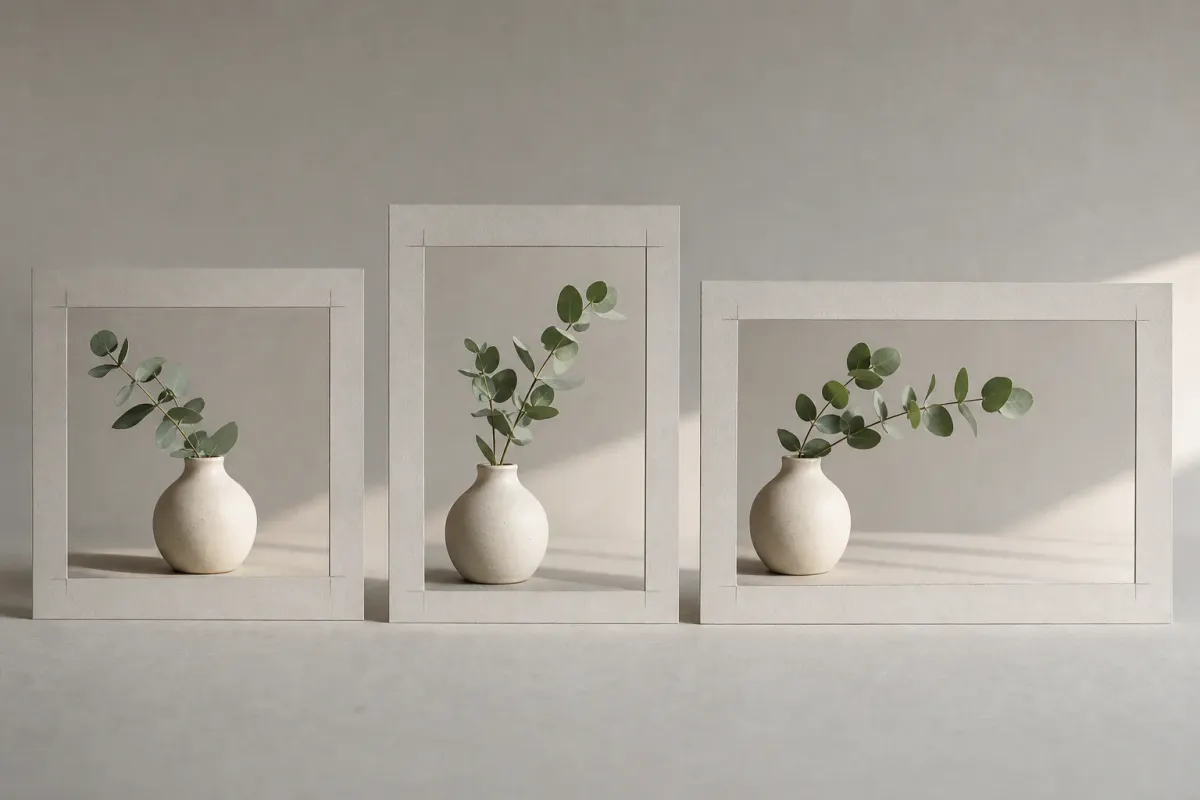
A practical guide to choosing square, portrait, and landscape formats for blog headers, social posts, product images, and mobile screens.
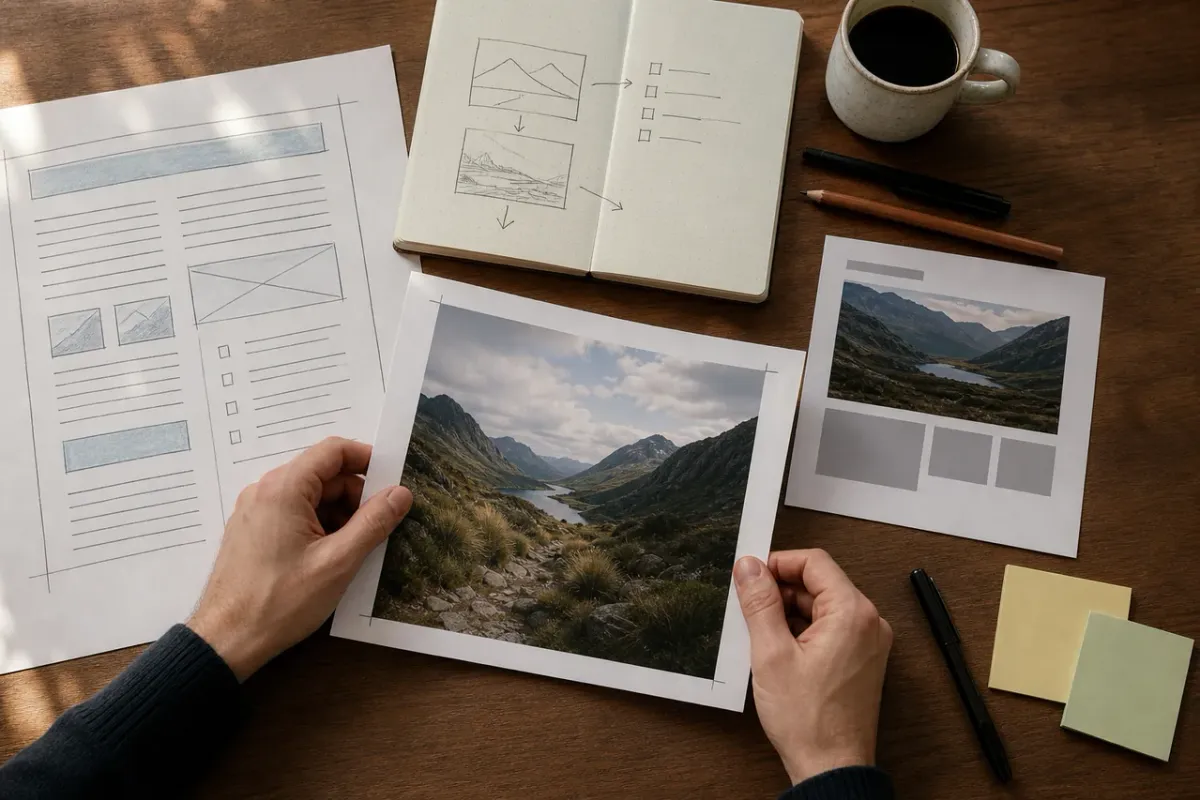
A writer-focused method for planning useful AI illustrations, writing honest alt text, avoiding filler, and reviewing generated images before publication.
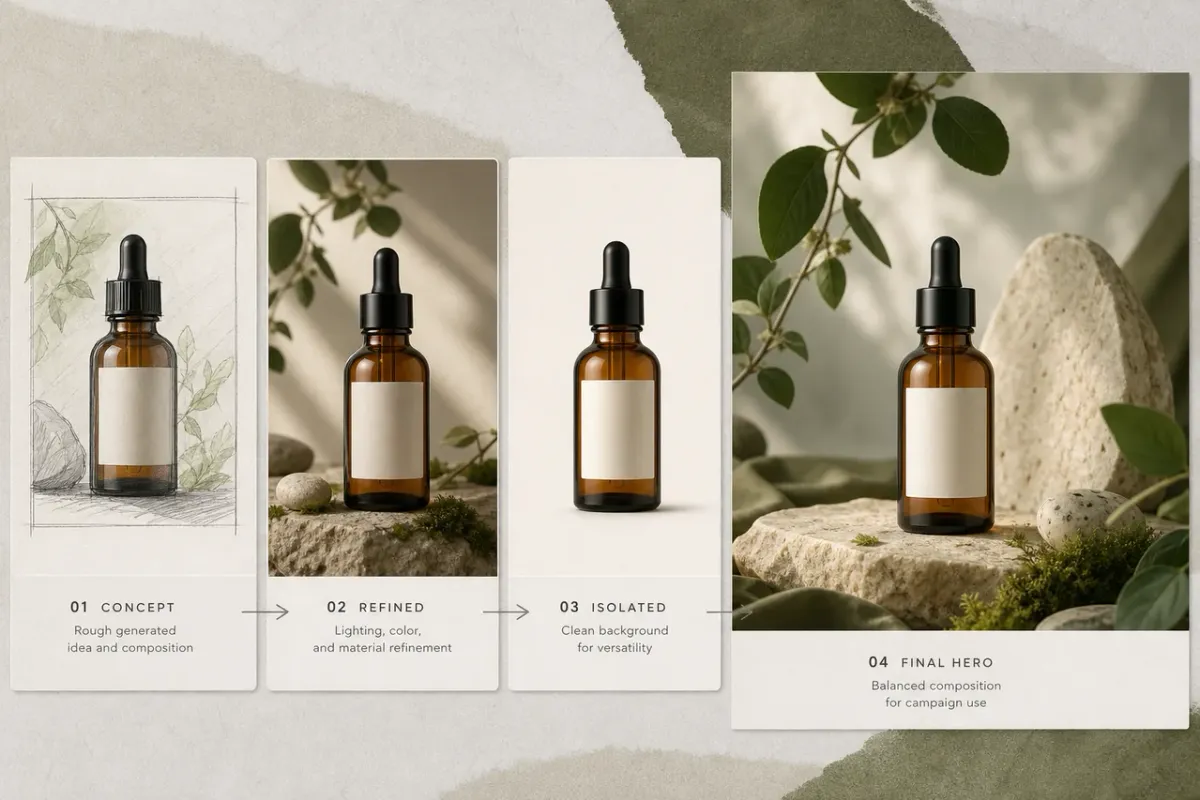
A transparent product-image test showing the exact prompt, the visible edit, the checkpoints we used, and which queued steps we did not claim as complete.
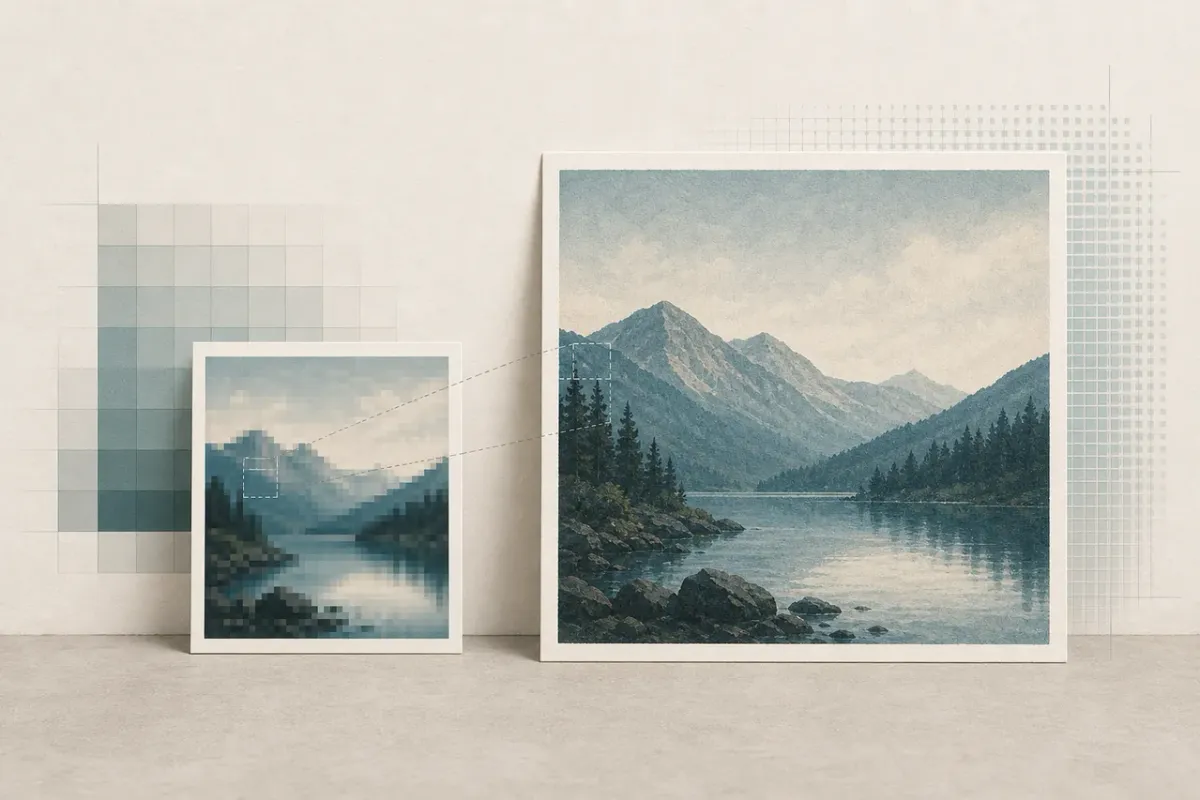
A realistic guide to 2× image upscaling, print-size math, artifact checks, and the cases where a larger file cannot recover missing information.
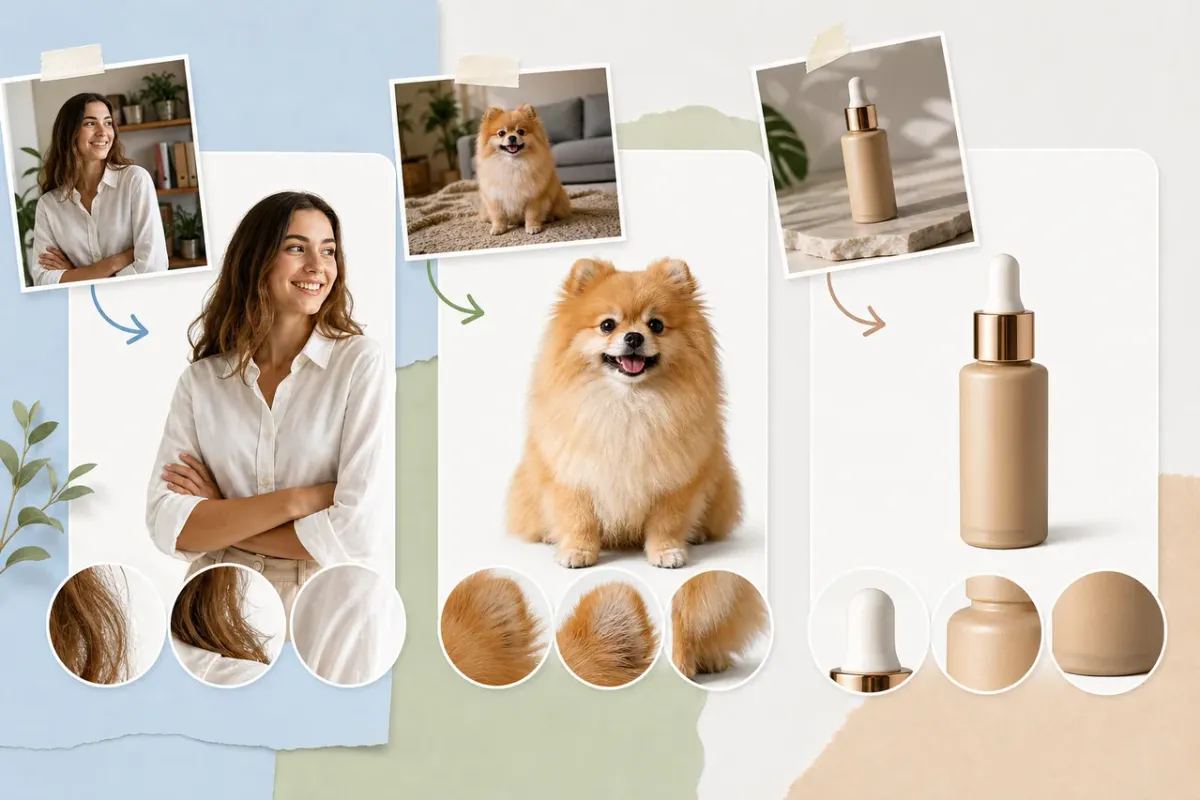
A practical background-removal guide built around three increasingly difficult subjects, with an honest review method for edges and transparency.
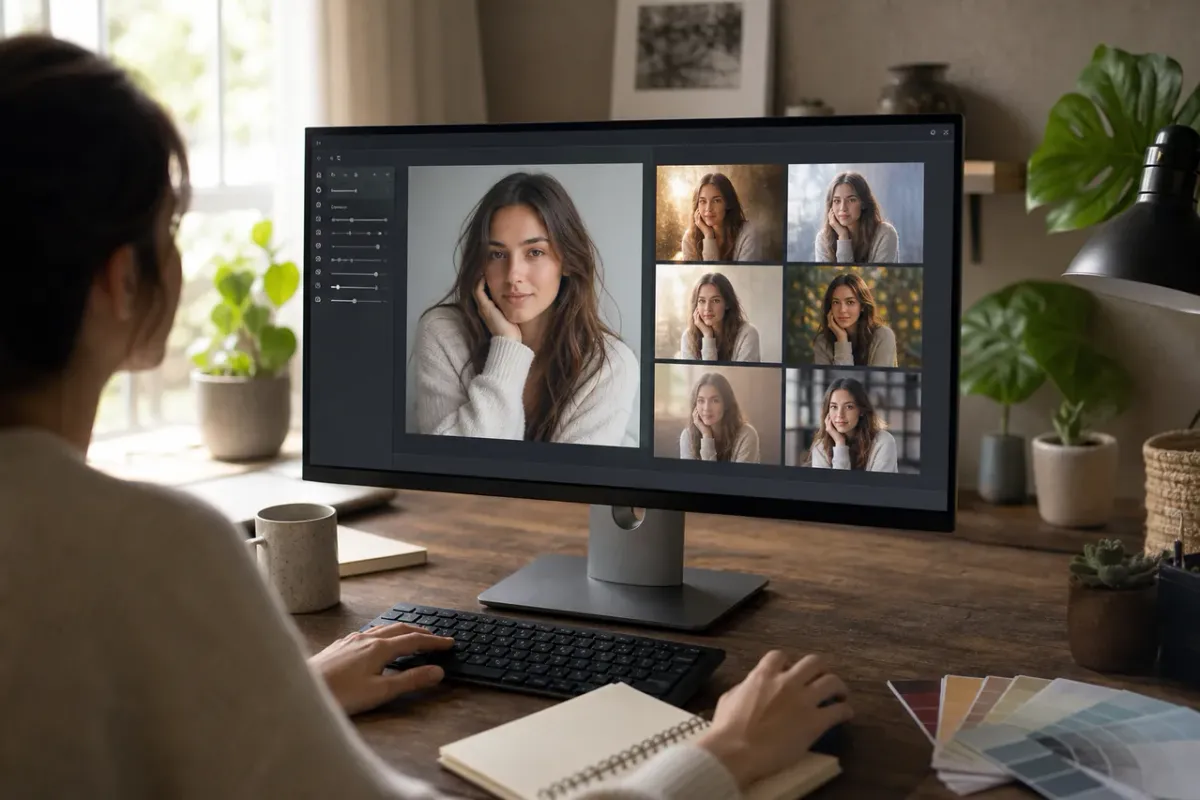
A practical guide to choosing AI or traditional photo editing, writing focused instructions, and checking details a generative edit may change.

A dated, source-linked comparison of free AI image options, with a checklist for limits, privacy, editing, output rights, and the workflow each product suits.
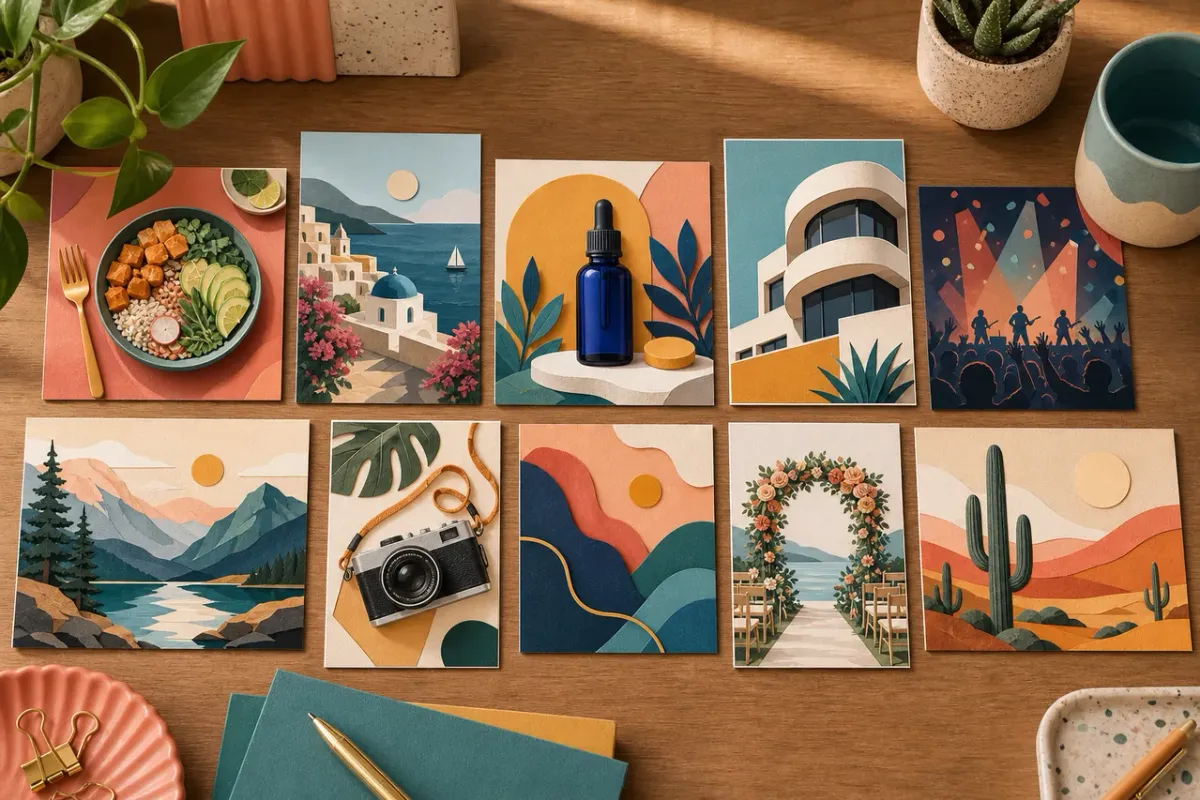
Ten social media image prompts built around ImageFree.net's five aspect ratios, with practical cropping and text-space advice.
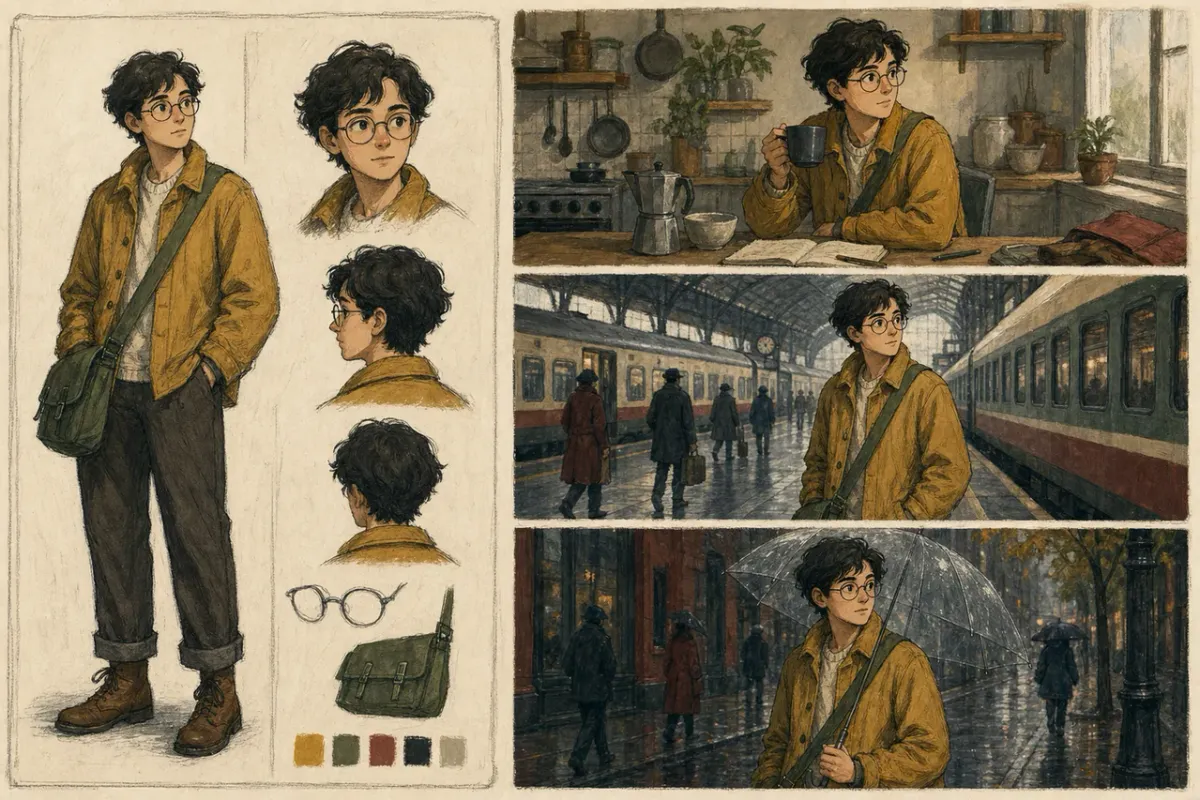
A realistic workflow for keeping an AI-generated character recognizable across a small image set, including what prompt-only tools can and cannot do.

A plain-English tour of ImageFree.net's text-to-image generator, photo editor, background remover, and 2× upscaler—including current limitations.